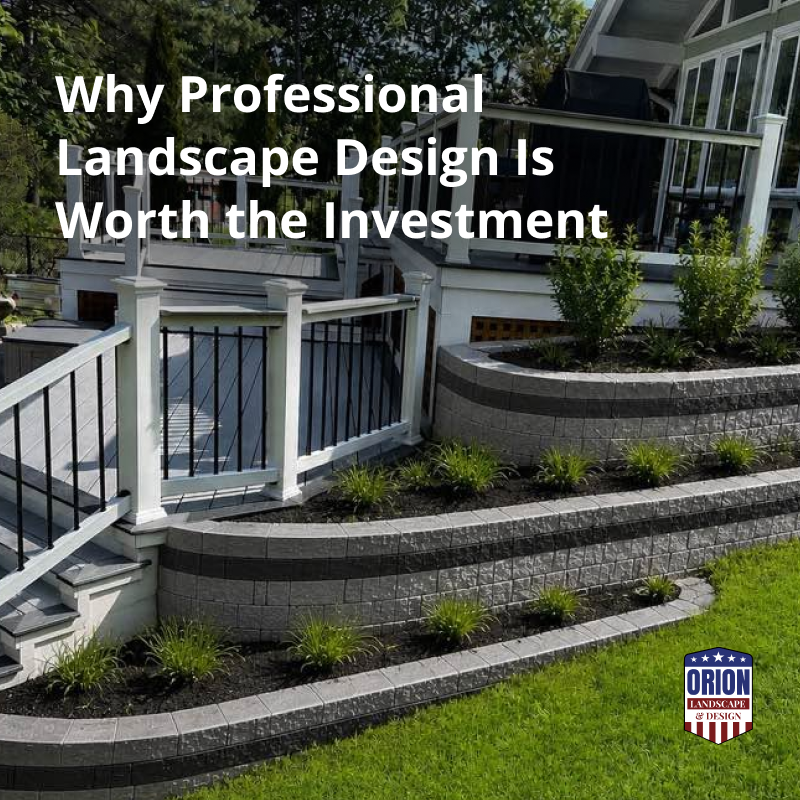
If you’ve started looking into a new wall for your yard, you’ve probably noticed that prices are all over the place. One quote seems reasonable, another looks like it could pay for a small car. Retaining wall cost varies a lot, and once you understand what goes into building one, those differences start to make a lot more sense.
A retaining wall isn’t just a row of stones. It’s a structure that holds back tons of soil, and how it’s built decides whether it lasts for decades or starts leaning after a few winters.
Retaining wall cost changes from project to project because every wall is built for a different job. Height, length, material, drainage, soil conditions and access to the site all play a part, and a wall that holds back a steep slope needs much more work than a short garden border.
A lot of people ask why retaining walls are so expensive. The short answer is that most of the work happens where you can’t see it. Think of it like an iceberg. The part above the ground is the stone you admire, but underneath there’s excavation, a compacted gravel base, drainage stone, pipe and sometimes reinforcement. Skip any of those steps and the wall may look fine for a season, then start to bulge, tilt or crack.
If you’re still deciding whether your yard needs a wall at all, our post on when you need a retaining wall covers the most common signs.
These are the details that move the number up or down the most:
Material is one of the biggest choices you’ll make, so here’s a simple overview:
| Material | Look | Relative cost | Good to know |
|---|---|---|---|
| Concrete block | Clean, uniform, many colors | Usually the most budget-friendly | Engineered systems built for strength |
| Natural stone | Classic New England style | Higher | Each stone is unique, more labor to fit |
| Poured concrete | Smooth, modern | Mid to high | Needs forms and careful drainage planning |
| Timber | Rustic | Lower upfront | Shorter lifespan than stone or block |
The cheapest option upfront isn’t always the cheapest over time. A wall that needs to be rebuilt in ten years ends up costing more than one built right the first time.
When you compare quotes, make sure you’re comparing the same wall. Ask what’s included: how deep the base goes, what kind of drainage is planned, whether cleanup and haul-away are part of the price and who handles permits if they’re needed. Two quotes with very different numbers often describe two very different walls. Looking at the full scope is the best way to understand your retaining wall cost and avoid surprises halfway through the project.
Orion Hardscape designs and builds retaining walls, stone walls and block walls for homes across Massachusetts. Every project starts with a look at your slope, soil and drainage, so the wall is built for the job it has to do. We’ll walk you through material options, explain what’s included and give you a clear quote, so you know exactly where your budget is going.
Want a straight answer about retaining wall cost for your property? Contact Orion Hardscape to schedule a visit and get a quote for your project.
Timber walls usually cost the least upfront, but they don’t last as long. Concrete block is often the best balance of price, strength and lifespan.
Much of the cost is underground: excavation, a compacted base, drainage stone and pipe, and sometimes reinforcement. These steps keep the wall from leaning or failing.
Yes. Taller walls need more material, deeper bases and stronger construction. Higher walls may also need an engineer’s design and a permit.
It depends on the height of the wall and your town’s rules. Taller walls are more likely to need a permit, so it’s worth checking before you build.