Your driveway is the first thing people see when they pull up to your house. It also takes more abuse than almost any other surface on the property. Cars, delivery trucks, snowplows, salt, and months of freezing weather all end up on it. So when it’s time to replace an old, cracked driveway, a paver driveway is often one of the first options homeowners look at.
Pavers can look great. But a driveway has a very different job than a patio, and that changes how it should be planned and built.
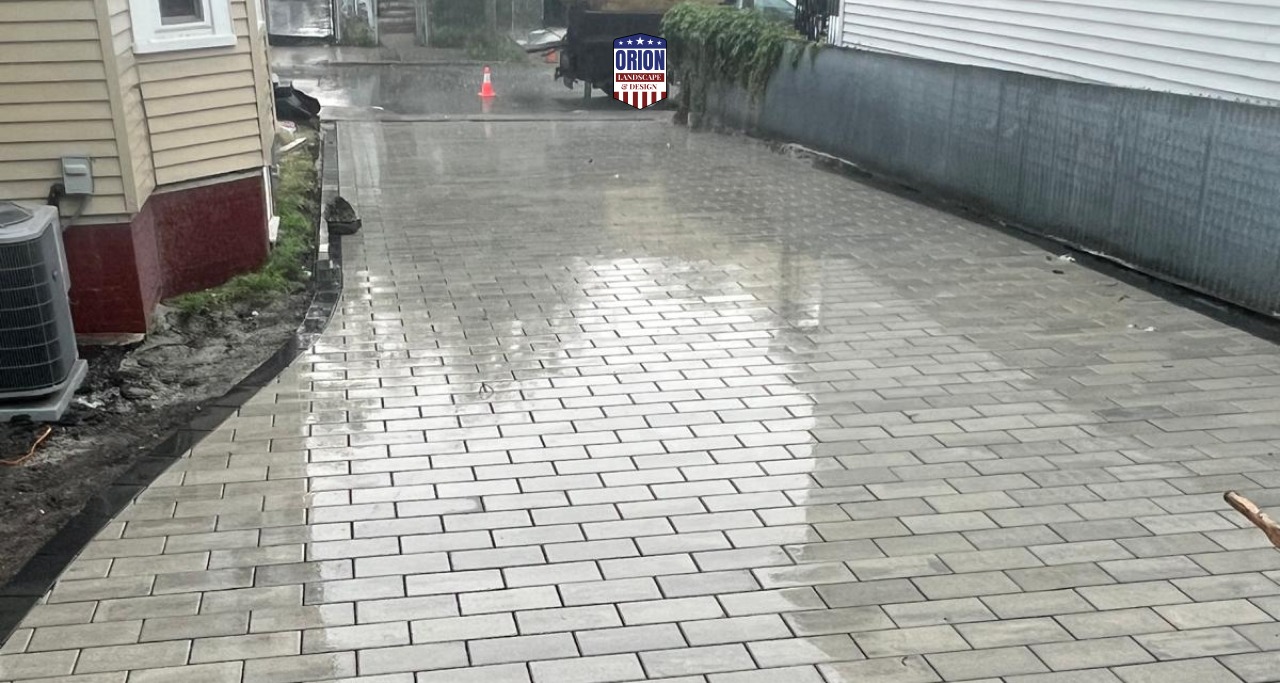
A paver driveway is worth it for many homeowners who want a custom look, a surface that can be repaired one section at a time, and a driveway that handles freeze and thaw well when it’s installed correctly. It usually costs more upfront than asphalt, so it makes the most sense if you plan to stay in the home for a while and care about curb appeal.
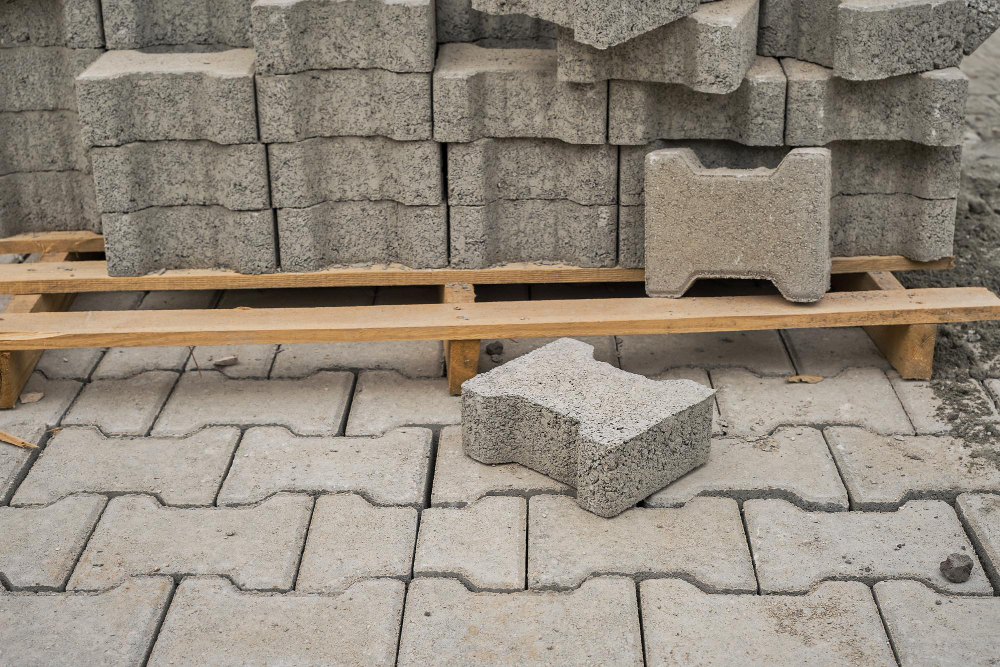
The biggest advantage is flexibility. Pavers are individual pieces, so the surface can move slightly with the ground instead of cracking across one big slab. If a section settles or gets damaged, those pavers can be lifted and reset without tearing up the whole driveway.
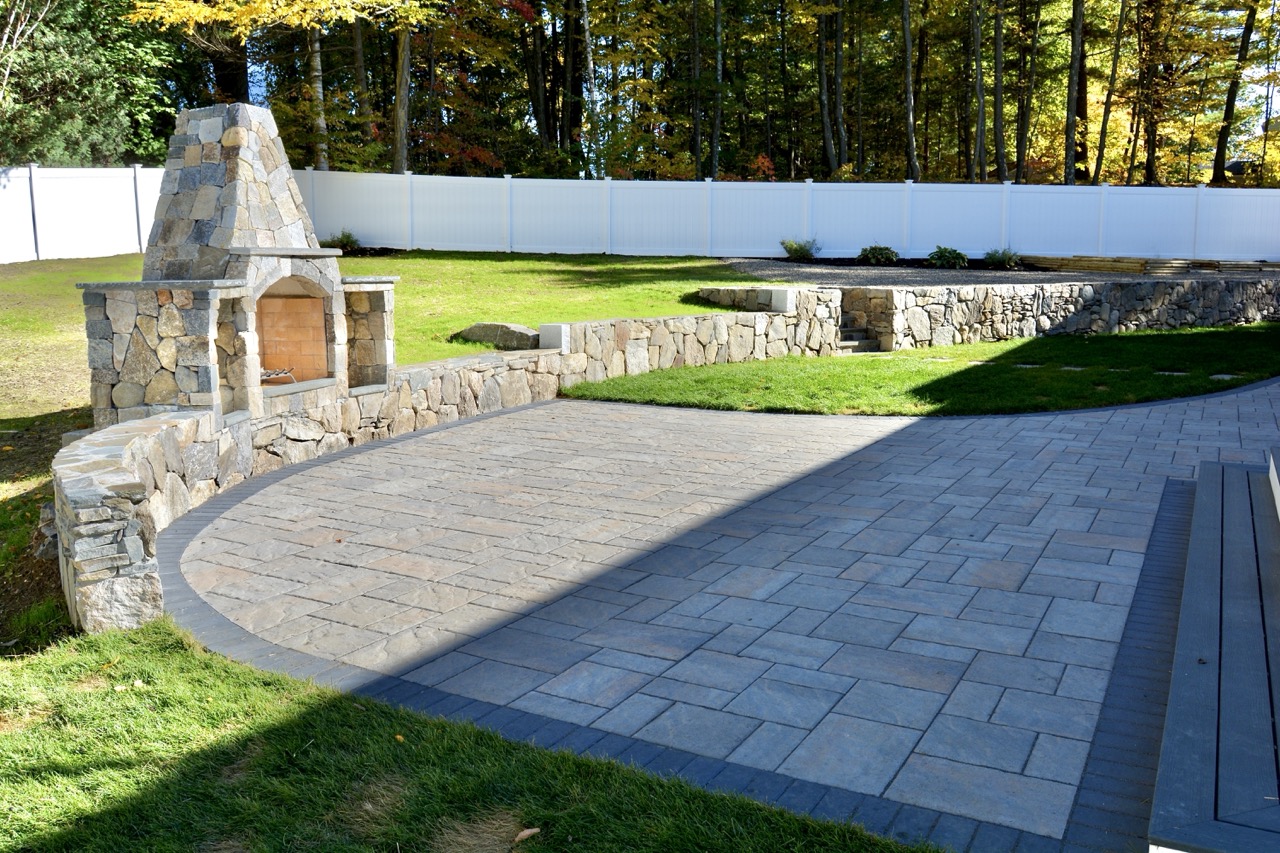
Design is the other big reason people choose them. You can pick colors, sizes, and patterns that match the house, add a border, or connect the driveway to a front walkway so everything looks like it was planned together.
Here’s a simple way to compare the most common driveway options:
| Pavers | Asphalt | Poured concrete | |
|---|---|---|---|
| Look | Many colors, sizes, and patterns | Plain and dark | Clean and uniform |
| Repairs | Individual pieces can be reset | Patches are usually visible | Cracks are hard to hide |
| Upfront cost | Usually higher | Usually lower | Usually in between |
| Winter | Handles ground movement well with a good base | Can crack and need resealing | Can crack as the ground moves |
Pavers aren’t automatically the right answer for every home. A few questions can help you decide:
Also keep in mind that driveway pavers aren’t the same as patio pavers. Pavers made for driveways are usually thicker and designed to carry the weight of vehicles.
Here’s the part you’ll never see once the job is finished. A paver driveway is only as good as what’s underneath it.
Driveways need deeper digging and a stronger compacted base than walkways or patios. In Massachusetts, that base also has to deal with frost moving the ground every winter. If it’s too thin or isn’t compacted well, you start to see ruts where the tires go, sunken spots, and pavers shifting along the edges.
Edge restraints are just as important. They keep the pavers from spreading out over time, especially on the sides where cars sometimes roll off the edge.
Grading is part of this too. The driveway should slope slightly so rain and melting snow run off instead of sitting on the surface or heading toward the garage. That needs to be figured out before a single paver is ordered.
Many homeowners also use this project as a chance to fix the walkway from the driveway to the front door. If that’s on your list, our article on the best walkway materials can help you choose something that looks right next to the new driveway.
At Orion Hardscape, driveways and walkways are a big part of what we do. Before we talk about colors and patterns, we look at the size of the space, how you use it, where water goes, and how the driveway connects to the rest of the house.
We also think about winter from the start. That means planning where plowed snow will go and making sure the edges and borders can handle it, so the driveway still looks good after a few Massachusetts winters.
If you’re thinking about a paver driveway and want to know if it makes sense for your property, contact Orion Hardscape. Tell us what you don’t like about your current driveway, and we’ll help you plan one that looks good and holds up for years.
With a solid base, good edge restraints, and basic care, a paver driveway can last for many years. Damaged pavers can also be replaced one at a time, which helps it age well.
Yes. Raise the blade slightly or use a plow with a rubber edge so it doesn’t catch or chip the pavers.
Not always. Sealing can help with stains and bring out the color, but whether it makes sense depends on the type of paver and the look you want.
They can be, especially on properties with drainage concerns. Permeable pavers let water pass through the joints into the base, but they need a specific design and some maintenance to keep working well.