Your front steps get used more than almost any other part of the house. Every guest, every delivery, and every trip in with groceries starts there. They’re also one of the first things people notice when they pull up. If you’ve been searching for front steps ideas, chances are your current steps feel a little tired, a little uneven, or just not quite right for the house.
The good news is that new steps can change the whole look of an entry. The trick is making sure they’re comfortable and safe to use, not just nice to look at.
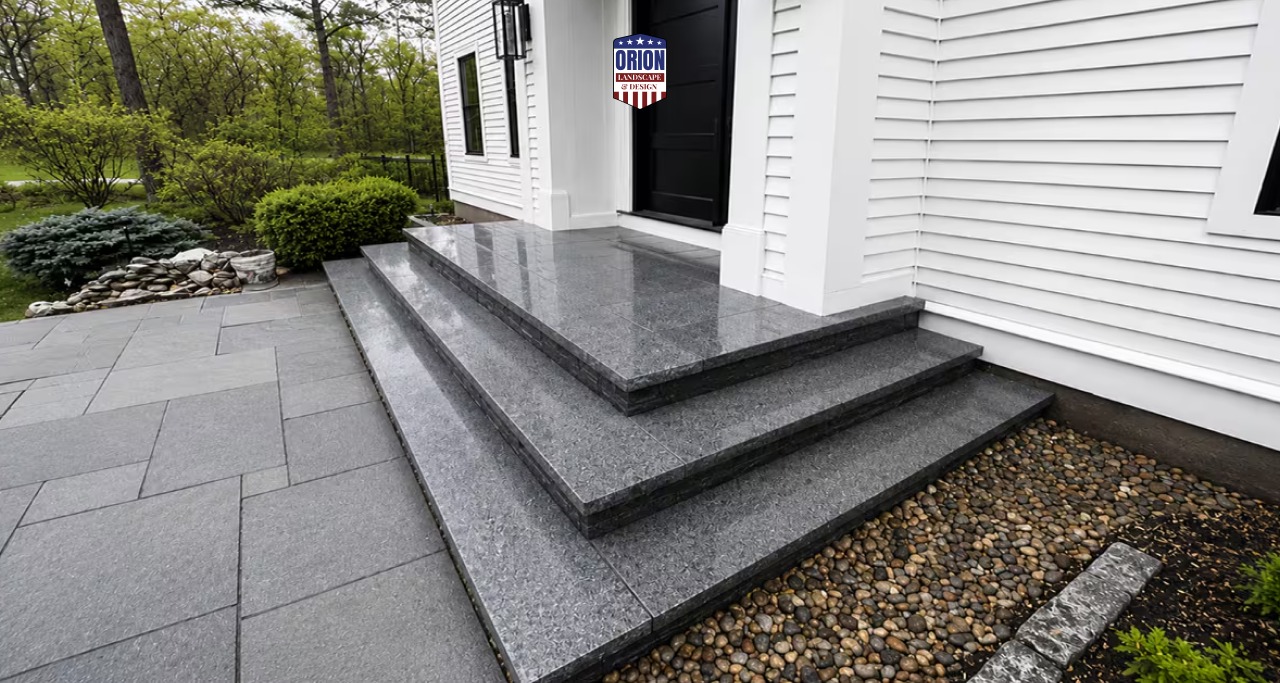
Good front steps ideas balance three things: safety, comfort, and how well the steps match the house. Wide steps with an even height, a landing at the door, materials that suit the home’s style, and good lighting are some of the simplest ways to improve an entry.
Width makes a bigger difference than people expect. Narrow steps feel cramped, especially when two people walk up together or someone is carrying packages. Wider steps feel more inviting and make the entry look more generous from the street.
A landing is another easy win. A flat spot at the top gives people room to stand while the door opens, set down bags, and step inside without balancing on the edge of a stair.
Here are a few ideas that work on many homes:
Sometimes the best idea is simply fixing what isn’t working. Here’s what homeowners often notice and what may help:
| What you notice | What may help |
|---|---|
| Steps feel too steep | Adding a step or a landing to spread out the rise |
| Steps are uneven or wobbly | Rebuilding the base underneath |
| The entry feels cramped | Wider steps or a larger landing |
| Steps get icy in winter | A textured surface, a handrail, and better drainage |
| Steps don’t match the house | New materials that suit the home’s style |
Uneven steps are more than a looks problem. A step that’s even slightly taller than the others is easy to trip on, because your feet expect every step to be the same. Consistent height and depth make a set of stairs feel natural to walk on.
Handrails are worth thinking about, too. Depending on the number of steps, a railing may be required, and even when it isn’t, it makes a big difference for kids, older family members, and anyone heading out on an icy morning.
Front steps deal with a lot here. Snow, ice, shoveling, salt, and ground that freezes and thaws all winter long.
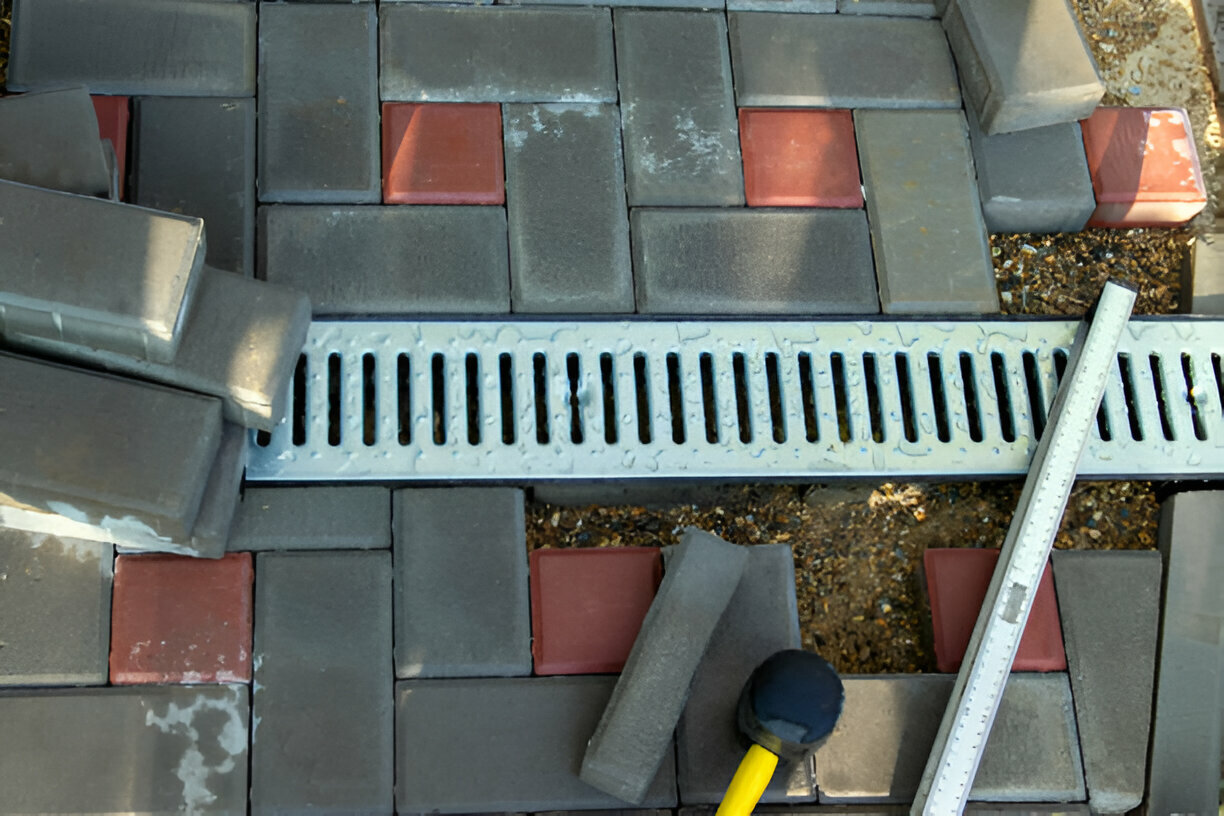
That’s why what’s underneath matters just as much as the stone or pavers you see. Steps need a solid, well-compacted base and a way for water to drain off instead of collecting and freezing. A very slight pitch toward the walkway, not toward the house, helps keep water off the treads and away from the foundation.
Material choice plays a role as well. Some surfaces get slippery when wet. A textured finish on stone, or pavers with some grip, can help a lot during the colder months.
And think about where the snow goes. If you shovel the steps and the walkway, there should be a place to put it that doesn’t block the path or melt back across the steps overnight.
New steps can also give your curb appeal a real boost. Our article on how to increase your home value with professional landscaping covers other ways the front of the house can make a strong first impression.
At Orion Hardscape, stairs and landings are one of our core services. We look at the height you need to cover, how the steps connect to the walkway and driveway, and the style of your home before suggesting materials or a layout.
If you’ve been collecting front steps ideas and want help turning them into a safe, good-looking entry, contact Orion Hardscape. Tell us what you don’t like about your current steps, and we’ll help you plan an entry that works in every season.
Natural stone, such as granite, is a popular choice for its durability and classic look. Pavers and block are also good options, especially when you want the steps to match a walkway or driveway.
Choose a textured surface, add a handrail, keep the steps cleared, and make sure water drains off instead of freezing on the treads. A little sand can also help with traction.
It depends on the number of steps and local building rules. Even when it isn’t required, a handrail makes steps safer for kids, older family members, and icy mornings.
This usually happens when the base underneath settles or when water and frost move the ground over time. Fixing it usually means rebuilding the base, not just resetting the top.